At Tabla Psychology, we offer dyslexia assessments for children and teens in Hampshire and the surrounding areas who are experiencing ongoing difficulties with reading, spelling, writing or learning.
All assessments take place in our calm and welcoming clinic, designed to help children and young people feel safe, settled and supported throughout the process.
Two dyslexia assessment pathways are available:
Standard Dyslexia Assessment – £500
Delivered by James Turley
James Turley is a qualified teacher and specialist assessor with training in dyslexia assessment. His work is professionally supervised by Dr Tamasine Black, Consultant Educational and Child Psychologist and Founder of Tabla Psychology.
This pathway is suitable for children and young people who are able to engage with assessment tasks without significant emotional, sensory or anxiety-based barriers.
Specialist Dyslexia Assessment (Complex Presentation)
Delivered by Dr Tamasine Black
Dr Black offers a specialist dyslexia assessment for children and young people whose learning profile is shaped by additional factors such as:
- Anxiety or heightened emotional sensitivity
- Sensory sensitivities
- School trauma or negative educational experiences
- School avoidance or difficulty engaging with formal tasks
- Demand sensitivity, shutdown or task avoidance
These assessments take a specialist, highly experienced approach, adapting the assessment process to the child or young person rather than expecting the child to adapt to the assessment.
Additional, specialist-level information is gathered from parents, teachers and the child or young person themselves, allowing the assessment to be carefully planned so that:
- the child or teenager feels comfortable and emotionally safe
- the assessment can be completed meaningfully
- the learning profile is accurately understood in context
This pathway is appropriate where a standard assessment approach may not fully capture a child’s needs or where engagement itself requires clinical skill and flexibility.
What to expect from a dyslexia assessment
Your child’s assessment is carried out in a calm and supportive way, helping them feel at ease throughout. Each assessment lasts between 50 and 90 minutes, giving us enough time to build a clear picture of how your child learns.
Rather than a simple screening, this process looks carefully at their strengths and areas of difficulty across key learning skills.
During the assessment, we look at:
- Reading
- Writing and spelling
- Working memory
- Processing skills
All assessments are SASC compliant.
All dyslexia assessments include:
- A detailed developmental and educational history
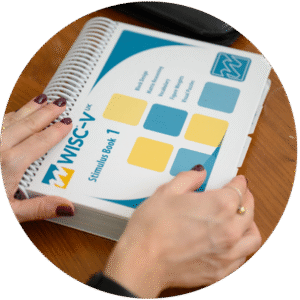
- Standardised assessment measures (adapted where appropriate)
- Observation of learning strengths and difficulties
- A clear written report describing the individual learning profile
- Practical recommendations for school and home
Which dyslexia assessment is right for my child?
If your child has literacy difficulties without additional emotional or sensory needs, a standard dyslexia assessment with James Turley is usually appropriate.
If your child experiences anxiety, sensory sensitivity, school trauma, school avoidance, or difficulty engaging with assessment tasks, the specialist dyslexia assessment with Dr Black is more appropriate, as it allows for a flexible, trauma-aware and clinically informed approach.
If you are unsure which pathway is the best fit, we are happy to advise.
Booking and availability
Dyslexia assessments can usually be booked within 2–3 weeks.
We offer assessments in person only at our Hampshire clinic. You can book an assessment directly below, or get in touch if you have any questions. We would be happy to help.
Dyslexia Assessment FAQ
What is a dyslexia assessment?
A dyslexia assessment is designed to explore a child or teens pattern of strengths and difficulties in areas associated with reading, spelling and literacy. It can help identify whether their profile is consistent with dyslexia and provide practical recommendations for support.
What age can a child have a dyslexia assessment?
Dyslexia assessments are available for children and teens. If you are unsure whether an assessment is appropriate for your child’s age or stage of learning, our Comprehensive Pre Screener can be a good first step.
What are the signs that my child may have dyslexia?
Children with dyslexia may experience persistent difficulties with areas such as reading, spelling, written work, processing information or remembering sequences and instructions. Every child is different, so an assessment looks at the wider pattern of strengths and needs rather than relying on one particular sign.
Can a dyslexia assessment help my child at school?
Yes. A dyslexia assessment can provide a clearer understanding of your child’s learning profile and practical recommendations that can be shared with school to help inform appropriate support and adjustments.
Can dyslexia occur alongside ADHD or autism?
Yes. Dyslexia can occur alongside other learning or neurodevelopmental differences, including ADHD and autism. Where there are broader concerns about your child’s attention, development or learning profile, our team can help you consider whether another assessment pathway may also be appropriate.
What is the difference between a dyslexia assessment and an Educational Psychology assessment?
A dyslexia assessment focuses specifically on identifying a profile consistent with dyslexia and understanding the associated literacy and processing difficulties.
An Educational Psychology assessment considers a broader range of areas that may be affecting a child’s learning, development, wellbeing and participation at school. If your child has more complex or wide-ranging needs, an Educational Psychology assessment may be more appropriate.
Will we receive a written report?
Yes. Following the assessment, you will receive a written report outlining the findings and providing recommendations to help support your child’s learning.
Where do dyslexia assessments take place?
Tabla Psychology provides in-person assessments at our clinic in Hambledon, Hampshire.